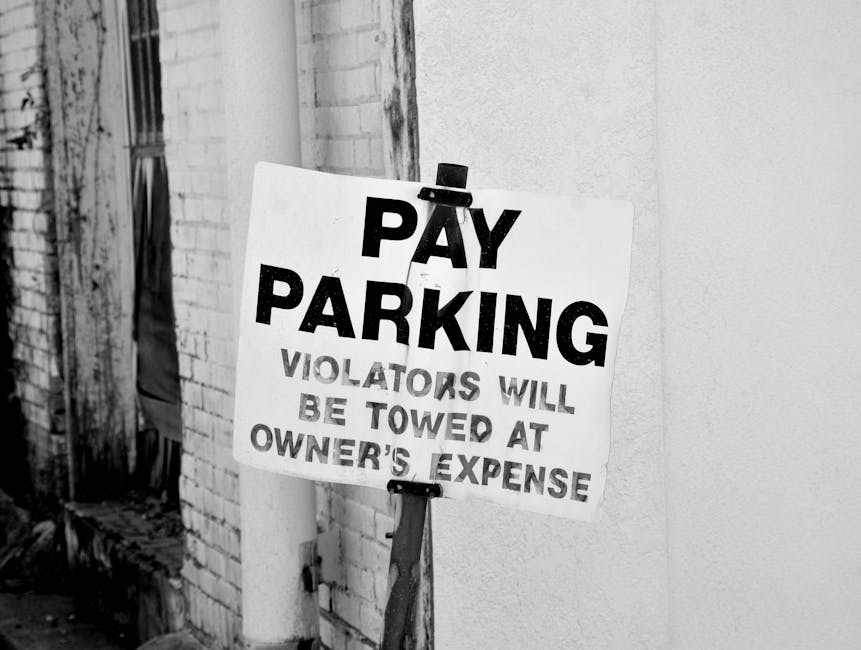
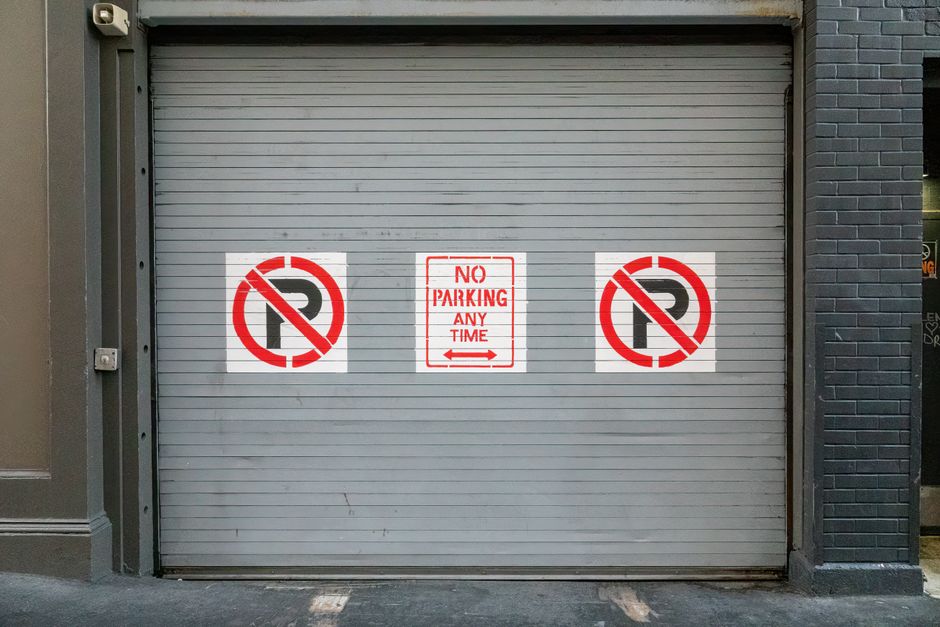
Pimlico loading bay rules and fines: avoid penalties
If you are moving, delivering, or arranging a trade visit in Pimlico, loading bay rules can be the difference between a smooth day and a frustrating penalty. The space is tight, the streets are busy, and enforcement is rarely forgiving. One wrong assumption about timing, waiting, or vehicle position can turn a simple stop into a costly ticket. This guide explains Pimlico loading bay rules and fines: avoid penalties in plain English, so you can plan properly, protect your budget, and avoid last-minute stress.
We will look at how loading bays usually work in this part of Westminster, what triggers fines, the common mistakes people make, and the practical steps that help you stay compliant. There is also a checklist, a comparison table, and a few real-world scenarios to make it easier to picture what happens on the ground. Because honestly, it is rarely the loading itself that causes the problem. It is the bit people forgot to check beforehand.
Table of Contents
- Why Pimlico loading bay rules and fines matter
- How loading bay rules work in practice
- Key benefits and practical advantages
- Who this is for and when it makes sense
- Step-by-step guidance
- Expert tips for better results
- Common mistakes to avoid
- Tools, resources and recommendations
- Law, compliance and best practice
- Options, methods, or comparison table
- Case study or real-world example
- Practical checklist
- Conclusion
- Frequently asked questions
Why Pimlico loading bay rules and fines matter
Pimlico is one of those places where vehicle access looks simple on a map and then becomes awkward in real life. Roads can be narrow, bays can be time-limited, and nearby traffic can make stopping feel more like a chess move than a quick delivery. If you are not careful, the fine is only part of the issue. Delays can ripple through the whole day, especially if you have movers, a lift booking, or a building manager waiting downstairs with a slightly impatient expression.
Loading bay restrictions matter because they protect traffic flow, pedestrians, and local access. They also protect you from having your vehicle blocked, moved on, or penalised. In busy parts of Westminster, that can happen fast. A driver who assumes they can "just be a minute" may discover that a very expensive minute has passed.
For residents, landlords, office managers, and removal clients, the practical takeaway is simple: treat loading arrangements as part of the move plan, not as a small detail to sort out on arrival. If you are planning a flat move, a house move, or a commercial relocation, it helps to read a broader guide like whether a Westminster Council removal permit is needed and how that fits into the day.
Expert summary: In Pimlico, the safest approach is to assume access is limited until you have checked the bay rules, the time window, and any building-specific instructions. That one habit prevents a surprising number of fines.
How Pimlico loading bay rules and fines work
Loading bays are usually designated spaces where vehicles may stop for short periods to load or unload goods. That sounds straightforward, but the details matter. The bay may only be available at certain hours, may be limited to certain vehicle classes, or may allow loading only for a specific activity and not for waiting or parking.
In practical terms, enforcement looks at whether the stop matches the loading exemption or local restriction in place. If a vehicle is stationary outside the permitted conditions, or if the activity looks more like parking than genuine loading, a penalty can follow. The tricky bit? The difference between "loading" and "waiting" is often judged by what is actually happening on site, not by what the driver intended.
That means your paperwork, your timing, and your setup matter. If the crew is carrying items steadily, the activity is easier to justify. If nobody is moving anything for several minutes while the van sits in the bay, that is when problems tend to start. Not always. But enough to be worth avoiding.
For moves with bulky furniture or awkward access, pairing good access planning with the right service makes a real difference. You may find it useful to look at house removals in Pimlico or flat removals in Pimlico if your move involves tight loading, stairs, or fast turnover.
What usually causes fines
- Stopping in a loading bay outside the allowed hours.
- Overstaying the time limit.
- Using the bay for waiting rather than active loading or unloading.
- Parking where the van blocks access or sits partially outside the permitted space.
- Ignoring signs, road markings, or site instructions from a building manager.
- Assuming a delivery van, removal van, or private car is automatically exempt.
Why the rules can feel confusing
The biggest issue is that loading rules are rarely defined by one single sign. There may be street markings, shared-use restrictions, building rules, and time-based conditions all at once. Add a busy morning in Pimlico and a driver trying to read signs from behind the wheel, and you can see why mistakes happen.
Key benefits and practical advantages
Sticking to loading bay rules does more than avoid fines. It makes the move calmer and usually faster. Less circling. Less pressure. Fewer awkward calls to say you are still looking for space. And, to be fair, fewer chances of turning a modest delivery into an unnecessarily expensive event.
Here are the practical gains most people notice when they plan properly:
- Lower risk of penalties: obvious, but worth saying. A compliant stop is far cheaper than a fine.
- Better timing: clear loading windows help the crew work without rushing.
- Less physical strain: fewer unnecessary walks from a distant legal parking spot.
- Better customer and building relationships: neighbours and porters are much happier when the van is where it should be.
- Reduced chance of missed slots: especially useful for lifts, concierge booking, or same-day work.
- Cleaner communication: everybody knows where the vehicle is meant to be and for how long.
If you are comparing move types, that effect is often most noticeable on short, high-pressure jobs. For example, a same-day flat move is much easier when the van can load once, efficiently, instead of making multiple trips because the vehicle had to be moved on. You can see the practical side of that in same-day removals in Pimlico.
Who this is for and when it makes sense
This topic matters to more people than you might think. It is not only for removal firms or delivery drivers. If a vehicle needs to stop briefly in a restricted street in Pimlico, the loading bay rules may be relevant.
- Home movers: anyone moving into or out of a flat, maisonette, or house.
- Students: especially if moving at the start or end of term with lots of bags and boxes.
- Office managers: if furniture, IT kit, or archive materials need loading.
- Tradespeople: bringing tools or materials for a property job.
- Furniture buyers and sellers: when large items need collection from narrow streets.
- Landlords and agents: coordinating quick turnovers between tenants.
This is also relevant when access is awkward. If your building has a tight entrance, a long carry, or awkward stairs, the loading bay becomes even more important because every extra minute matters. The practical side of that is explored in tight-access flat removals in Pimlico.
Step-by-step guidance
If you want to avoid penalties, treat the loading arrangement like a mini project. Nothing dramatic. Just a few sensible checks.
- Read the bay sign in full. Look for hours, vehicle restrictions, permit conditions, and any loading-only wording. Do not skim it. The tiny print is the part that tends to bite.
- Check whether loading is genuinely permitted. Some spaces allow loading only for a limited time. Others are not loading bays at all, even if they look convenient.
- Match the vehicle to the task. A larger removal van may need more space than a small estate car. Make sure the vehicle selected is practical for the street.
- Plan the route from van to door. If the walk is long, arrange trolleys, manpower, or extra help in advance.
- Keep the crew moving. Active loading is easier to justify than standing around. Stacked boxes, clear roles, and a simple order of work help.
- Keep the driver aware of timing. Someone should be watching the clock, not only the sofa.
- Have a fallback plan. If the bay is occupied, know where the legal alternative is before the van arrives.
- Leave enough buffer. A good rule is to plan for small delays, because streets in Pimlico can be unpredictable in the morning and even more awkward later in the day.
If you are packing yourself, it can help to prepare boxes in a way that speeds unloading. A service such as package your items and wait for us to come is a good reminder that the quicker the handover, the easier the loading sequence becomes.
A simple rule of thumb
If the van is stationary and nobody is actively working, assume the clock is working against you.
Expert tips for better results
In practice, the people who avoid fines are usually not lucky. They are organised. A few small habits make a big difference.
- Send one person ahead. If possible, have someone check the bay before the main vehicle arrives. It saves a lot of guesswork.
- Build in a short buffer. Even ten to fifteen minutes can make the difference between a calm load and a rushed one.
- Keep documents handy. If a manager, porter, or enforcement officer asks what you are doing, it helps to have a clear explanation and job details ready.
- Use a loading order. Heavy or first-needed items should go nearest the door so the process is not slowed by reshuffling later.
- Choose a vehicle that fits the street. A van that is too large often causes more trouble than it solves.
- Communicate with the building. Some residential blocks are much happier when they know the time window in advance. A small courtesy call can prevent a larger headache.
And here is one slightly boring but very true tip: keep the bay clear of stray boxes, wrappers, and loose furniture parts. It sounds minor. It is not. A tidy loading area usually moves faster and looks more legitimate if anyone checks.
For larger item moves, the same logic applies. If you are dealing with awkward sofas, wardrobes, or other heavy pieces, it may be worth reading how to handle bulky furniture safely in Pimlico.
Common mistakes to avoid
Most penalties come from the same handful of oversights. That is the good news, because it means they are preventable.
- Assuming all loading bays work the same way. They do not. One bay may allow short stops while another is restricted to very specific times.
- Confusing loading with parking. A vehicle left unattended for too long can stop looking like a loading operation.
- Arriving without a plan for the building access. If the lift is slow or the entrance is awkward, your loading time shrinks quickly.
- Underestimating traffic delays. A van that arrives late may miss the best window entirely.
- Not checking the vehicle size. If the van is too long for the bay, you may be forced into a poor position or a risky stop.
- Forgetting the return journey. Unloading at the destination can be just as risky as loading at the origin.
A common one is hidden in plain sight: people think they can "just leave the van for a moment" while they carry the first box upstairs. In a busy area, that moment can turn into a ticket. Then suddenly the move is no longer the stressful part. The fine is.
If you want a better sense of what a quote should cover when access is tricky, this guide on hidden fees in Pimlico removals is useful background.
Tools, resources and recommendations
You do not need a massive toolkit, but a few simple things help the day run smoothly.
| Tool or resource | What it helps with | Why it matters |
|---|---|---|
| Printed move plan | Vehicle timing, bay location, access notes | Keeps everyone aligned on the day |
| Phone photos of signs | Confirming the exact loading conditions | Useful if the street is confusing or multiple signs apply |
| Box labels | Faster unloading at the destination | Saves time in the loading bay and on the stairs |
| Furniture blankets and straps | Safer handling of large items | Reduces delays caused by damage or awkward repositioning |
| Backup contact list | Driver, building contact, customer, moving crew | Quick decisions prevent unnecessary waiting |
It also helps to use a removal partner that understands Pimlico's tight streets and busy timing. A good starting point is to explore the broader services overview and then match the job to the right support, whether that means a smaller van, extra packing help, or a more flexible arrival window. For movement planning, delivery at the best time for you can be a useful approach when timing is the main risk.
Law, compliance and best practice
Because loading restrictions sit within local parking and traffic rules, the safest approach is to follow the signposted conditions exactly and avoid assumptions. In UK practice, traffic enforcement tends to focus on whether the vehicle was entitled to stop, whether the stop was within the permitted time, and whether the activity genuinely counted as loading or unloading.
That means your best practice should be simple:
- use the bay only for genuine loading activity;
- keep stops within the allowed duration;
- do not treat the bay as temporary parking;
- follow any site-specific instructions from the building or managing agent;
- keep the paperwork and timing clear in case you need to explain what was happening.
If you are unsure, do not wing it. That is where people get caught out. A cautious, rule-first approach is usually cheaper than trying to rescue a bad parking decision after the fact.
For people arranging moves in the local area, it can also help to understand the broader neighbourhood context. This article on whether Pimlico is the right place for you gives a useful sense of the area and why access can be such a frequent planning issue.
Options, methods, or comparison table
There is more than one way to handle loading in Pimlico, but not every option is equally safe or efficient. Here is a practical comparison.
| Approach | Best for | Main risk | Practical verdict |
|---|---|---|---|
| Use a designated loading bay | Short, well-planned jobs | Overrunning the time limit | Usually the best choice if rules are checked first |
| Find distant legal parking and carry items | When the bay is full or unavailable | Time lost, more labour, more fatigue | Safe, but slower and often more costly in practice |
| Staggered loading with a smaller vehicle | Tight streets or awkward access | Multiple trips and delays | Useful when a full-size van is impractical |
| Wait nearby until a bay opens | Jobs with flexible timing | Risk of drifting into an enforcement issue | Only sensible if the stop remains legal and active |
For many moves, the best answer is not the biggest van or the quickest driver. It is the best fit for the street, the property, and the permitted loading window. That sounds obvious. Yet it gets missed all the time.
Case study or real-world example
Picture a morning flat move near central Pimlico. The client has packed carefully, the lift is booked, and the removal crew arrives just before 9 a.m. The loading bay outside looks ideal. But the sign allows only a short loading period, and the street is already lively with traffic and delivery vehicles.
In the first version of the day, nobody checks the sign properly. The van is left while items are carried out one by one. There is a delay because a wardrobe does not fit through the hallway on the first attempt. Meanwhile, the bay is no longer obviously being used for active loading. A penalty follows, and the mood changes instantly. Nobody is thrilled. Understandably.
In the second version, the crew checks the sign first, confirms the vehicle length, and stages the heaviest items near the exit before the van arrives. One person watches the time. Another keeps the route clear. The move is still busy, but it stays within the permitted stop and finishes without a fine.
That is the real lesson: compliance is not glamorous, but it is often the thing that saves the day. A tiny bit of planning pays off very quickly.
If your move is tied to a specific property or tight schedule, you may also find these local move guides useful: moving from Dolphin Square and short Pimlico moves between nearby landmarks.
Practical checklist
Use this checklist before the van arrives. It is simple, but that is the point.
- Have you read the loading bay sign fully?
- Do you know the permitted hours?
- Is the vehicle size suitable for the bay?
- Does the driver know the exact stop location?
- Has someone checked for building-specific loading instructions?
- Are boxes, trolleys, and straps ready?
- Is the loading route from van to door clear?
- Have you allowed buffer time for delays?
- Does someone have the phone numbers for the driver and building contact?
- Is there a backup plan if the bay is occupied?
And one more thing: if you are moving a large home, office, or special item, make sure the service you choose is suited to the job. A man and van Pimlico setup may be ideal for shorter jobs, while larger moves may need a different vehicle or fuller support. If you are not sure, that is completely normal.
Conclusion
Pimlico loading bay rules and fines are not just a paperwork issue. They shape how safely, quickly, and affordably your move or delivery runs. The streets are tight, the timings matter, and the margin for error is small. Once you understand the signs, prepare the load properly, and keep the van moving only when it is genuinely supposed to be there, the risk drops sharply.
The good news is that avoiding penalties is very achievable. Check the bay, plan the route, keep the loading active, and give yourself a little extra time. That is usually enough. Not fancy, just effective.
If you want support with a local move, packing, or planning the right vehicle for a tricky street, a thoughtful quote and a calm conversation can save a lot of hassle later. Get in touch here if you want to talk through the practicalities before moving day.
Get a free quote today and see how much you can save.
In the end, a well-planned load is a quiet little victory. And in Pimlico, those are worth having.
Frequently Asked Questions
What counts as loading rather than parking in Pimlico?
Loading means the vehicle is being used for the active movement of goods. If the van is stationary with no real loading taking place for too long, it can start to look like parking rather than unloading or loading. The distinction matters a lot.
Can a removal van stop in a loading bay without a permit?
Sometimes yes, sometimes no. It depends on the bay's restrictions, the time of day, and the local conditions shown on the signs. Never assume a removal van is automatically exempt.
How long can a van stay in a loading bay?
That depends on the exact bay. Some allow only a short stop, while others are more flexible. Always check the sign where the bay is located rather than relying on general rules.
What happens if the loading bay is already occupied?
You need a fallback plan. That might mean waiting legally nearby, using a different bay, or changing the order of the move. What you should not do is block traffic or stop somewhere that looks convenient but is not permitted.
Do I need to move quickly to avoid a fine?
Yes, but speed alone is not enough. The stop must also be legitimate. Active loading, clear timing, and proper vehicle positioning are all important.
Are fines common for short moves in Pimlico?
They can be, especially when people assume a short move will be easy and skip the planning. Short jobs still need proper access checks. Sometimes the shorter jobs are the ones people get most casual about.
Can I leave the van unattended for a minute?
That is risky. If nobody is actively loading and the vehicle is left unattended for too long, it may no longer be treated as a genuine loading stop. Better to have a driver or crew member stay with it where possible.
What should I do before a home move in Pimlico?
Read the signage, check the building access, confirm the timing with your movers, and make sure the van size fits the street. If you are moving a flat, the guide to flat removals in Pimlico may help you think through the process.
Is it worth arranging the move for a quieter time of day?
Usually, yes. Quieter periods can reduce traffic pressure and make loading bays easier to use. Just make sure the time still fits the restrictions shown on the sign and any building rules.
What if I'm not sure the bay signs are clear?
Do not guess. Take a photo, compare the wording, and if needed choose a safer alternative stop. A small delay is usually better than a penalty.
Can a local removals company help with loading bay planning?
Yes. A good local team will usually understand street access, vehicle fit, and timing issues in Pimlico. They should also be able to adapt if the original plan changes. That's the sort of help that saves stress on the day.
What is the smartest way to avoid penalties altogether?
Plan the loading bay in advance, keep the stop genuinely active, build in buffer time, and make sure the vehicle and access plan suit the street. Simple, really - though not always easy when everyone is in a rush.