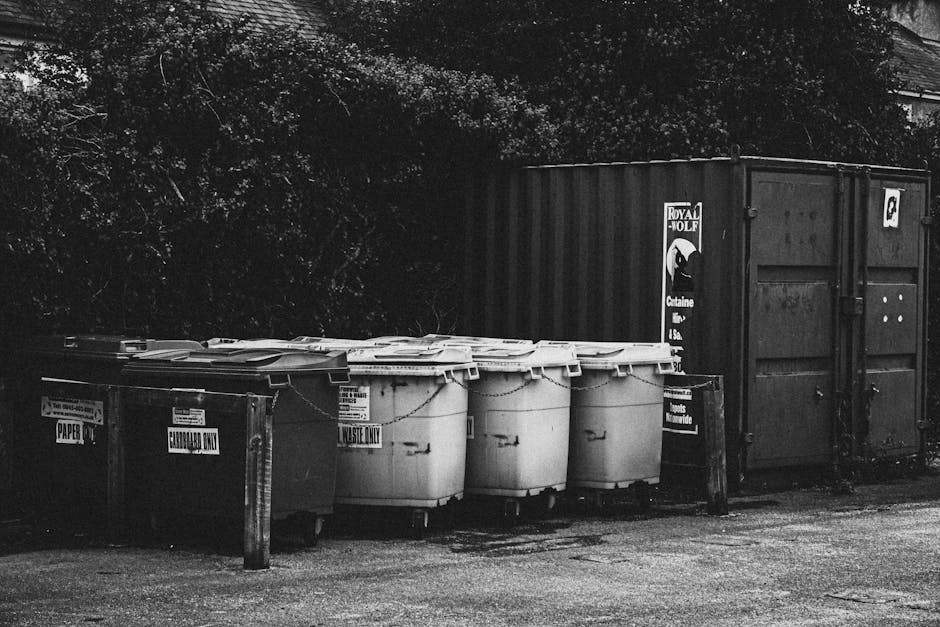
Waste disposal law for Pimlico moves: licensed carriers

If you are moving in Pimlico, waste disposal can become the awkward bit nobody really wants to think about until the hallway is full of broken shelves, old boxes, and that one chair nobody is brave enough to keep. The rules around Waste disposal law for Pimlico moves: licensed carriers matter because once rubbish leaves your property, you still need to know it is being handled legally. That is especially true in London, where tight streets, loading restrictions, and shared entrances can make a simple clear-out feel more complicated than it should.
This guide explains what licensed waste carriers do, why they matter during a move, and how to stay on the right side of waste disposal law without turning the process into a headache. You will also find practical steps, common mistakes, and a clear checklist you can actually use on moving day. Fair warning: a little planning saves a lot of stress.
- Why it matters
- How it works
- Key benefits
- Who needs this
- Step-by-step guidance
- Expert tips
- Common mistakes
- Tools, resources and recommendations
- Law, compliance, standards and best practice
- Options and comparison
- Real-world example
- Practical checklist
- Conclusion
- Frequently asked questions
Why Waste disposal law for Pimlico moves: licensed carriers Matters
When you move house or clear a flat in Pimlico, the waste is not just "stuff to get rid of". It becomes a legal responsibility. In the UK, waste must be transferred to someone who is allowed to carry it and dispose of it properly. In practical terms, that means checking that the person or company removing the waste is a licensed waste carrier, not just a van with good intentions.
This matters for a few reasons. First, if waste is fly-tipped after leaving your property, the chain of responsibility can come back to you if you handed it over carelessly. Second, in areas like Pimlico, where access can be tight and collections need to be well timed, there is a temptation to hire whoever is available fastest. That is understandable, but risky. Third, a compliant carrier should be able to explain where the waste goes, how it is sorted, and what happens to recyclable materials.
There is also a trust element. People often assume that if something is happening in a clean, tidy moving van, it must be legitimate. Not always. A licensed carrier is part of the safety net that protects you, your landlord, and the wider neighbourhood. For more practical moving context, some people also look at recycling and sustainability practices when choosing a mover that handles waste thoughtfully.
Truth be told, the consequences of getting this wrong can be more annoying than dramatic at first. But the paperwork, the follow-up questions, and the possibility of enforcement action are the sort of thing nobody wants after an already tiring move.
How Waste disposal law for Pimlico moves: licensed carriers Works
The basic idea is simple: if your move creates waste, that waste should only be passed to a carrier who is authorised to transport it. For domestic moves in Pimlico, this often includes broken furniture, damaged packaging, old carpets, unwanted appliances, and general clear-out waste. A licensed carrier is expected to transport waste legally and dispose of it at an approved facility or reuse route, rather than dumping it somewhere questionable at the end of a long day.
In a normal move, the process usually works like this:
- You identify what needs to go before moving day.
- You separate reuse, recycling, and true waste.
- You ask the removal provider whether they are a licensed waste carrier if they are taking any rubbish away.
- You keep a record of what was removed, especially if the items are bulky or mixed waste.
- The carrier transports the waste for legal treatment, disposal, or recycling.
That last point matters more than people think. A reputable carrier should not just disappear with the load and expect everyone to be happy. There should be a sensible process behind it, even if it is informal from your side. If your move is larger and has furniture, packaging, and disposal all rolled together, you may also want to review furniture removals in Pimlico alongside any waste-handling arrangements.
One useful distinction: removal services and waste disposal services are related, but not identical. A mover can transport your belongings, but if they are also taking waste away, they should be able to explain their waste handling status clearly. That's the bit people sometimes skip. Then they regret it later.
Key Benefits and Practical Advantages
Using a licensed carrier for waste during a Pimlico move gives you more than a box-ticking exercise. It brings practical benefits that reduce friction at a time when your head is already full of keys, deadlines, boxes, and messages from estate agents or landlords.
- Reduced legal risk: You are less likely to be associated with illegal dumping or improper disposal.
- Better traceability: You know who handled the waste and can ask sensible questions if needed.
- More orderly moving day: Waste, recycling, and keep-items are separated properly instead of being bundled together.
- Less stress with landlords or managing agents: Especially helpful in flats, conversions, and managed buildings.
- Environmental common sense: Reusable and recyclable items are more likely to be treated correctly.
- Cleaner handover: If you are leaving a property, the final condition tends to be better when waste is handled professionally.
There is a hidden benefit too: good waste handling tends to slow the whole process down just enough to make it more careful. That sounds odd, but it is useful. When movers pause to sort, label, and separate loads, fewer mistakes happen. Less damage. Less waste. Fewer "where did that go?" moments.
If your move is time-sensitive, you may also want to look at same-day removals in Pimlico because speed and compliance can work together if the plan is solid. Speed alone, not so much.
Who This Is For and When It Makes Sense
This topic matters to almost anyone moving in or out of Pimlico, but it is especially relevant if you are dealing with bulky items, end-of-tenancy clear-outs, last-minute changes, or a property with limited storage space. You may need licensed waste carriers if you are:
- clearing a flat before handing back the keys
- discarding damaged furniture or broken white goods
- moving from a shared house with mixed belongings and rubbish
- renovating or refreshing a room before moving in
- working to a deadline set by a landlord, agent, or buyer
- managing a move where waste cannot simply be left for normal household collection
It also makes sense for student moves. Students often accumulate odd bits of furniture, packaging, and unused household items, and then need everything out quickly. If that sounds familiar, a look at student removals in Pimlico can help you think about the bigger picture of moving and disposal together.
Sometimes people do not need a full waste removal service at all. They just need to decide what is reusable, what can be recycled, and what must be disposed of properly. That is often the smartest route. Not glamorous, but smart.
Step-by-Step Guidance
If you want a clean, compliant move, here is a straightforward way to handle waste disposal law and licensed carriers without overcomplicating it.
- Audit the waste early. Walk through each room and decide what is leaving, what is staying, and what could be donated or reused.
- Separate categories. Keep recyclables, reusable items, and mixed waste apart where possible. A few labelled bags or boxes make a surprising difference.
- Ask about carrier status. If a moving firm is taking any waste, ask whether they use licensed waste carriers. A proper operator should be able to answer clearly.
- Confirm what is included. Check whether disposal, loading, labour, and transport are all part of the price.
- Keep records. Save quotes, messages, and any note of what was removed. It is boring, yes, but helpful if questions arise later.
- Use the right service for the right job. If you have mixed disposal and transport needs, choose a provider who regularly handles both rather than stitching together random help.
- Inspect the end result. Before you leave, check that nothing was accidentally dumped in the wrong place or left behind in the hall, garden, or bin area.
If your move also involves packing, try not to leave the sorting until the last evening. That is the point where everything starts to look equally important and equally disposable. A little spacing-out of tasks helps. A lot.
For a smoother pack-and-move process, some readers find packing and boxes in Pimlico useful when organising what should be moved, recycled, or discarded.
Expert Tips for Better Results
Here is where the real-world habits make the difference. In our experience, the best waste handling during a move is rarely about one big decision. It is usually about ten small ones made early enough.
- Don't let "maybe" items wait until moving day. The maybe pile becomes the everything pile very quickly.
- Label waste clearly. One bag for recycling, one for general waste, one for items to sell or donate. Simple, but effective.
- Photograph bulky items before they go. That can help if there is later confusion about condition or what was removed.
- Ask how recyclable materials are separated. The answer does not need to be technical, just sensible.
- Check access logistics. In Pimlico, narrow entrances, shared corridors, and short loading windows can create pressure. Plan for that pressure instead of pretending it will vanish.
- Use written confirmation where possible. Even a short message confirming waste removal details can prevent misunderstandings.
A small but useful habit: keep a separate "do not dispose" area near the front of the property. It sounds obvious. It is not, on moving day. People are tired and things blend together. A kettle somehow ends up next to a broken lamp, and suddenly nobody remembers what was meant to happen.
If your move is in a flat with awkward stairs, you may also want to review tight-access flat moving tips so that waste and belongings are moved safely and in the right order.
Common Mistakes to Avoid
Most problems with waste disposal law in a move come from assumptions. People assume the carrier is licensed, assume the rubbish is recyclable, assume the landlord will not care, or assume one pile of mixed items is "fine for now". Usually it is not fine. Not really.
- Handing waste to an unverified operator: If they cannot explain their status, treat that as a red flag.
- Mixing everything together: Reuse, recycling, and waste all in one heap makes compliant disposal harder.
- Leaving waste in communal areas: That can cause complaints and sometimes penalties, especially in managed buildings.
- Ignoring bulky items: Sofas, wardrobes, mattresses, and appliances need more thought than bagged rubbish.
- Assuming the cheapest option is safe: A low price means little if the waste ends up being handled badly.
- Forgetting timing and access rules: In a place like Pimlico, the practical side of the move matters just as much as the legal side.
One more thing: do not rely on verbal reassurance alone. A quick, clear written note is usually enough. No need to turn it into a courtroom drama. Just keep it tidy.
Tools, Resources and Recommendations
You do not need special software to manage waste law properly. What you do need is a simple system. A notebook, your phone camera, a few labels, and a clear plan usually beat overthinking every time.
Useful practical tools include:
- Room-by-room inventory: A quick list of what is being kept, moved, recycled, or discarded.
- Labels or coloured tape: Makes it obvious which items are which, especially when others are helping.
- Photo log: Handy for bulky furniture, appliances, and mixed waste piles.
- Quote comparison notes: Keep track of what each provider includes, especially disposal and loading.
- Move-day checklist: Prevents waste from being left in stairwells, yards, or on the wrong side of the van.
For broader move planning, you might also compare service support through removal services in Pimlico and the wider services overview. Those pages are useful if you want to see how waste handling fits into the full move, rather than treating it as an afterthought.
If you are unsure about timing, delivery at the best time for you is a helpful reminder that the schedule should fit the property, the access, and the waste load. The right timing can prevent a lot of mess. Literally.
Law, Compliance, Standards, or Best Practice
Waste disposal in the UK is a regulated area, and the sensible approach is to work with a carrier who understands their obligations. For moving customers, the practical takeaway is straightforward: do not pass waste to someone unless you are comfortable that they are authorised to carry it and that the waste will be handled properly.
Best practice usually includes:
- using a carrier who can explain how waste is transported and processed
- separating hazardous, recyclable, and general waste where relevant
- keeping a record of what was removed
- avoiding roadside dumping, communal dumping, or placing waste in unsuitable bins
- making sure landlord, lease, or building rules are respected during the move
If your move involves insurance-sensitive items or awkward loading conditions, it is also sensible to look at insurance and safety guidance and health and safety policy information. Waste handling is not only about legality; it is also about safe lifting, safe loading, and avoiding damage to the property or people around you.
Where there is any doubt, ask the provider to explain their process in plain English. If the answer sounds vague, that is your answer. Easy as that.
Options, Methods, or Comparison Table
Not every move needs the same waste solution. The right choice depends on how much you are throwing away, what type of waste it is, and whether you need fast clearance or careful sorting.
| Option | Best for | Pros | Watch out for |
|---|---|---|---|
| Self-sorting and normal household disposal | Small amounts of clean, non-bulky waste | Low cost, simple for light clear-outs | Not practical for furniture, mixed loads, or urgent moves |
| Removal company with licensed waste carrier arrangements | Moves with mixed waste and belongings | Convenient, one-team approach, less lifting confusion | Check what is included and whether waste is actually covered |
| Dedicated waste collection service | Bulky items or larger clear-outs | Good for heavy disposal jobs, often more structured | May not help with the rest of the move |
| Reuse, resale, or donation first | Items still in good condition | Reduces waste and can lower disposal needs | Takes planning and time, which moving day often lacks |
If you are deciding between a smaller van and a fuller moving package, man and van in Pimlico, man with van services, and man with a van options may each suit a different scale of move. The key is not the label. It is whether waste is handled lawfully and sensibly.
Case Study or Real-World Example
Imagine a one-bedroom flat move in Pimlico on a Friday afternoon. The tenant has a worn sofa, two broken shelving units, flattened cardboard, and a small pile of old kitchen bits that will not be going to the new place. On paper, it looks manageable. In reality, the corridor is narrow, the lift is awkward, and the landlord wants the flat cleared before the weekend.
The sensible approach is to sort the items into three groups the day before: keep, recycle, and dispose. The carrier is told in advance that waste will be included in the job. The mover confirms they use a licensed waste carrier for the disposal element. On moving day, the clear-out happens in stages, which helps avoid blocking the hallway or mixing rubbish with belongings. The result is a cleaner handover and no last-minute scramble for bin space.
That kind of move is common enough. Nothing dramatic. Just a normal London flat, a few bulky items, and a bit of coordination. Yet that coordination is exactly what keeps things compliant. It also keeps tempers down, which is underrated.
For people moving out of well-known Pimlico buildings or short-hop local routes, some of the practical access and timing notes in the Dolphin Square moving guide and short Pimlico route planning can be surprisingly relevant, even if the article itself is not about waste.
Practical Checklist
Use this checklist the day before your move or clear-out. It is simple on purpose.
- Have I separated items to keep, donate, recycle, or dispose of?
- Do I know which items are bulky and need special handling?
- Has the carrier confirmed they are authorised to take waste?
- Do I know whether disposal is included in the price?
- Have I recorded any important details by message or email?
- Are communal areas protected and kept clear?
- Have I checked building rules, loading access, and timing?
- Are hazardous or special waste items excluded unless agreed in advance?
- Have I taken quick photos of the waste load where useful?
- Do I have a plan for anything still undecided?
A final practical note: if your move is subject to local parking or loading constraints, you may also want to read about Westminster council removal permits and Pimlico loading bay rules and fines. Waste compliance and parking compliance often meet at the same curb. Annoying, but true.
Conclusion
Waste disposal law for Pimlico moves is really about one central habit: do not hand waste to the wrong person, and do not leave disposal to chance. Licensed carriers bring structure to what can otherwise become a messy, rushed, and slightly expensive mistake. When you plan ahead, separate waste properly, and ask the right questions, the move feels calmer and much more under control.
That is especially useful in Pimlico, where access can be tight, time windows can be short, and everyone is juggling too many details at once. A compliant move does not have to be complicated. It just needs a bit of care, a bit of common sense, and the willingness to sort things properly before the van arrives.
Get a free quote today and see how much you can save.
And if you want the process handled with less fuss, it is worth choosing a team that treats waste, access, and timing as part of one joined-up move. That is usually where the real peace of mind lives.
Frequently Asked Questions
Do I need a licensed waste carrier for a house move in Pimlico?
If any waste is being removed as part of the move, it is safest to use a licensed waste carrier or a mover who can clearly explain how waste is handled. That protects you if the waste is later traced back to an improper dump site.
What counts as waste during a move?
Anything you are not taking to the new property can count as waste: broken furniture, damaged packaging, worn-out household items, old appliances, and general clear-out rubbish. Reusable items are better treated separately.
Can a removal company take my rubbish as well as my furniture?
Yes, many can, but they should be clear about how the waste part of the job is carried out. Do not assume furniture removal automatically includes lawful waste disposal. Ask directly.
How do I know if a carrier is licensed?
Ask them plainly whether they are a licensed waste carrier and how waste is processed after collection. A reputable operator should answer without hesitation and explain their approach in simple terms.
What happens if my waste is fly-tipped after collection?
If you handed waste to an unverified person or company, you may face questions about how it was transferred. That is why keeping records and using a legitimate carrier matters so much.
Is it better to recycle items instead of disposing of them?
Usually yes, if the items are suitable for reuse or recycling. It reduces waste volume and often makes the move simpler. Not every item can be saved, of course, but it is worth sorting first.
Do I need paperwork for waste removed during a domestic move?
Not every household move requires formal paperwork from your side, but it is wise to keep a basic record of what was removed and by whom. Messages, quotes, and photos are often enough for domestic moves.
Can I leave waste in communal bins or shared areas?
Usually no, at least not without checking building rules first. Communal areas are often monitored or governed by landlord and estate requirements, and leaving waste there can lead to complaints or fees.
What if I only have one or two bulky items?
Even a small number of bulky items can need careful handling. A sofa or mattress is still bulky waste and should be dealt with properly rather than left in a shared space or behind a building.
How does waste disposal affect moving day timing?
Quite a lot, actually. Waste sorting and removal take time, so if you leave it to the last minute, it can slow the whole move down. Early separation usually keeps the day moving.
Are there special concerns for flats in Pimlico?
Yes. Flats often mean tighter access, shared entrances, and more people affected by any mess. That makes careful loading, good communication, and lawful waste handling even more important.
Where should I start if I feel overwhelmed?
Start by making three piles: keep, recycle, and dispose. That one decision reduces confusion fast. After that, check whether your mover can legally handle the disposal part and confirm timing around access.
If you are planning a move and want guidance that feels practical rather than fussy, a good next step is to review your removal options, your waste load, and your building access together. The calmest moves are usually the ones planned with boring detail. Boring detail is a blessing, honestly.