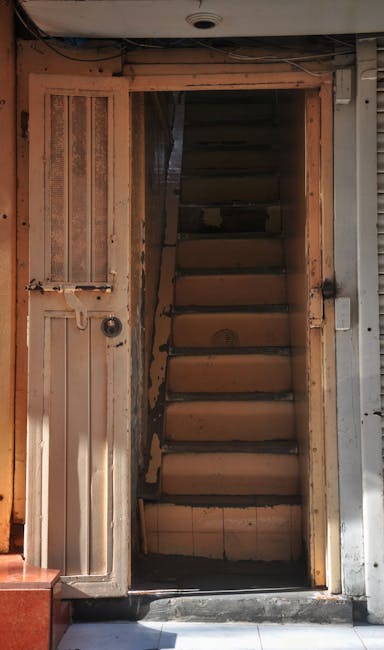
Narrow stairs in Pimlico? Removals for tight-access flats
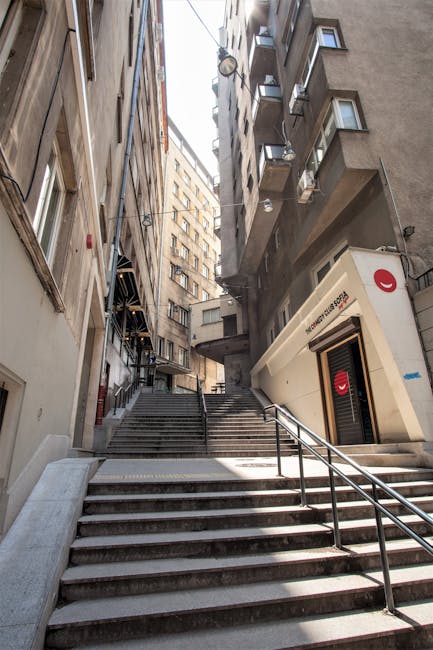
If you live in Pimlico, you probably already know the drill: elegant period conversions, compact staircases, awkward landings, and lifts that are either tiny, old, or simply not there. That is exactly why Narrow stairs in Pimlico? Removals for tight-access flats needs a proper plan, not just a van and a hopeful attitude. Tight-access moves can be smooth, but only when the route, the furniture, the timings, and the people doing the lifting all work together.
In this guide, we'll walk through how tight-access flat removals are handled, what makes them different, where people trip up, and how to make the whole process far less stressful. You'll also find a checklist, a practical comparison table, and a few real-world Pimlico examples so you can judge what makes sense for your move. To be fair, moving furniture up a narrow stairwell is rarely glamorous. But it can be managed well.
Why Narrow stairs in Pimlico? Removals for tight-access flats Matters
Pimlico has a lot of attractive flats, but many of them were built long before modern furniture dimensions became a concern. That means stairwells can be steep, turns can be tight, and door frames can feel stubbornly unforgiving. If you're moving out of a third-floor flat with a winding staircase, the access itself becomes part of the job. Ignore it, and you risk delays, damage, or items getting stuck halfway down a landing. Nobody wants that awkward moment when a sofa is wedged in the stairwell and everyone suddenly goes very quiet.
Tight-access removals matter because they change the whole moving strategy. You may need more people, more time, careful dismantling, or a different loading order. In some buildings, the best approach is to move smaller items first and handle the bulky pieces only after the route is cleared. In others, it's wiser to disassemble furniture before moving day. This is especially relevant in flats where communal hallways are narrow and neighbours still need to pass through.
There's also the practical side of protecting the building itself. Older Pimlico properties often have painted banisters, carpeted stairs, and corners that pick up scuffs very easily. A good removals plan is not just about getting the items out. It's about getting them out without leaving a trail of scratches behind. That's the kind of detail people remember, and your deposit may remember too.
If you're comparing service types, it helps to look beyond the label. A general service may not be enough for a difficult stairwell, whereas a more tailored move may be better suited. You can also explore the wider support available through the full range of removal services in Pimlico or the more specific flat removals in Pimlico option if your move is especially access-sensitive.
How Narrow stairs in Pimlico? Removals for tight-access flats Works
The process usually starts before the van arrives. That's the bit many people underestimate. A proper tight-access move begins with a look at the stair layout, the size of the larger items, and the best route from flat to street. If the access is tricky, the crew may plan to use extra protective materials, more hands, or a different sequence for loading and unloading.
In simple terms, the move works in stages:
- Access review. The mover checks stair width, turns, ceiling height, and whether there is a lift that can actually be used.
- Item assessment. Large sofas, wardrobes, mattresses, beds, mirrors, and appliances are identified early. Some items may need dismantling.
- Protection setup. Stair rails, door frames, and floor surfaces are covered where necessary.
- Careful carry-out. The team moves items in a planned order, often with one person guiding at the front and another controlling the back end.
- Loading strategy. The van is packed with the bulkiest items placed in a stable position, followed by smaller boxes and softer goods.
For example, if you're moving a wardrobe from a Pimlico flat with a sharp turn on the second landing, it may be better to remove the doors and internal shelves before moving it. That reduces weight and makes the shape easier to control. It sounds obvious once you've done it, but under moving-day pressure, people often forget. Truth be told, moving day has a way of making even sensible people forget how geometry works.
If your move is time-sensitive, a tailored man and van Pimlico arrangement can be a practical choice, especially where access is awkward but the overall load is not huge. For larger homes, a more substantial vehicle or team may be better. Either way, the key is matching the method to the staircase, not the other way round.
Key Benefits and Practical Advantages
Using a removal approach designed for narrow stairs and tight-access flats comes with several clear benefits. None of them are flashy, but they matter a lot when you're carrying a bookcase past a bannister that seems designed to catch sleeves.
- Less risk of damage. Smaller, staged movements reduce knocks to walls, woodwork, and the items themselves.
- Better time control. When the access is planned properly, delays are less likely.
- Less stress on moving day. You're not improvising every single lift.
- Safer handling. Narrow stairs can be dangerous if people rush or carry more than they should.
- More realistic packing. You may decide to split or dismantle items before the move, which can save a lot of trouble.
One of the less obvious advantages is that a tailored plan often helps you make better decisions about what to keep. When you realise your huge antique sideboard will not travel easily through a tight staircase, you can decide whether to dismantle it, store it, or move it another way. That clarity is useful, especially if you are juggling keys, paperwork, and end-of-tenancy deadlines.
Another benefit: a good team tends to think ahead about parking and building access as well. In Pimlico, that can matter almost as much as the staircase itself. A move that looks straightforward on paper can become messy if the van is parked too far away or the entrance is awkwardly shared. For broader planning support, it can be useful to read about insurance and safety and the practical side of packing and boxes in Pimlico.
Who This Is For and When It Makes Sense
This kind of removals setup is a strong fit for people living in upper-floor flats, period conversions, maisonettes, and buildings with narrow internal access. If your sofa already needed a little persuasion to get into the flat, it will probably need even more persuasion to get back out again.
It makes particular sense for:
- tenants in converted Victorian or Georgian flats
- flat sharers with large furniture and limited lift access
- buyers and sellers moving between Pimlico apartments
- students moving into compact accommodation
- people with awkward bulky items such as wardrobes, beds, or armchairs
- anyone doing a last-minute move where access has not been checked properly yet
If you're deciding whether this is the right fit, ask yourself a few practical questions. Can your largest item turn on the landing? Does the lift actually take the item you need to move? Will the stairwell be clear at the time you want to move? And perhaps the most important one: do you want to wrestle with the staircase yourself, or would you rather the job be handled calmly and professionally?
For people in a hurry, a service like same day removals in Pimlico can be relevant if the move has become urgent. If you're a student or moving on a smaller scale, student removals in Pimlico may be more appropriate. And if your move involves a full household, the broader house removals Pimlico service may be the better match.
Step-by-Step Guidance
If you want a tighter move and fewer surprises, the best approach is to break it down. Here's a practical sequence that works well for many tight-access flats in Pimlico.
- Measure the problem areas. Check the width of the narrowest stair section, the tightest corner, and any door frames or internal hallway pinch points.
- List the bulky items. Mark anything oversized: sofas, beds, table bases, wardrobes, desks, and appliances.
- Decide what can be dismantled. If a bed frame, shelving unit, or table can come apart, do it before moving day.
- Pack light but properly. Tight stairs are no place for overfilled boxes that wobble or burst open halfway down.
- Clear the route. Remove rugs, loose shoes, recycling, plants, and anything else that could become a trip hazard.
- Protect the building. Covers, blankets, and careful handling help preserve walls and corners.
- Plan the order of loading. Put the hardest items in the van first, then build around them with boxes and softer items.
- Keep communication simple. One person should guide the move so instructions do not become a shouting match on the landing. It happens. More than you'd think.
A small but useful tip: if the move is in the morning, start with natural light and cooler temperatures when possible. It sounds minor, but in a narrow stairwell, better visibility can make a real difference. A dark landing at 8 a.m. with a mirror in hand is not ideal, let's face it.
If you want to reduce packing pressure before the team arrives, it may help to package your items and wait for the crew to come. And if delivery timing matters because of building access or key collection, you may find delivery at the best time for you a useful part of the planning conversation.
Expert Tips for Better Results
People often think tight-access removals are all about strength. They're not. They're about judgement, timing, and not trying to bully furniture into places it clearly dislikes.
Here are a few practical tips that make a real difference:
- Dismantle sooner rather than later. If something looks marginal, take it apart before move day.
- Use the right number of people. Two careful movers beat one overconfident one every time.
- Put hardware in labelled bags. Screws and fittings vanish easily during a move.
- Keep floors protected. Dust, grit, and carpet edges can be surprisingly vulnerable in narrow stairwells.
- Lift with the route in mind. Don't just think about the item. Think about where your shoulders, elbows, and hands will go on each turn.
- Communicate delays early. If a neighbour is using the hallway or a lift becomes unavailable, say so quickly.
One real-world observation: tight-access jobs often go better when the customer has already done some sorting. If boxes are sealed properly, heavy items are clearly marked, and unnecessary clutter has been cleared, the movers can focus on the awkward physical work. That's where the time is won.
If you are moving large or oddly shaped furniture, furniture removals in Pimlico is worth considering, and for trickier items you might also find handling bulky furniture in Pimlico helpful as background reading.
Common Mistakes to Avoid
Tight stairs expose bad planning quickly. The mistakes below are the ones that tend to cause delays, frustration, or avoidable damage.
- Not measuring properly. Guessing a sofa will fit is not a strategy.
- Leaving dismantling until moving day. That is when stress is highest and tools go missing.
- Overpacking boxes. A box that is too heavy becomes awkward on stairs fast.
- Ignoring parking or access restrictions. Even a short walk from the van can add pressure.
- Forgetting about communal areas. Narrow hallways, shared entrances, and neighbours all need consideration.
- Trying to carry too much at once. It usually ends with a wobble, a pause, and a muttered apology.
Another common slip is assuming every moving company handles tight-access flats the same way. They do not. Some are set up mainly for standard house moves, while others are better prepared for stair-heavy flats and awkward access. If your move is quite complex, check the approach first. A quick conversation can save a lot of trouble later.
It also helps to know how pricing and timing are handled. For clarity on the commercial side, take a look at pricing and quotes and, if you value easy payment handling, payment and security.
Tools, Resources and Recommendations
You do not need a van full of specialist kit to move a flat with narrow stairs, but a few tools and materials make a big difference. Think practical, not fancy.
- Furniture blankets and covers for protecting polished surfaces and stair rails
- Ratchet straps for securing items in the van
- Basic hand tools for dismantling beds, tables, and shelving
- Labels and marker pens for box identification and hardware bags
- Sturdy boxes that stack well and do not bow under pressure
- Gloves and closed shoes for safer handling
A sensible recommendation is to keep one "essentials box" with the things you will need first at the new place: kettle, tea, phone charger, toiletries, toilet paper, and a change of clothes. Small things, yes, but they matter when you're standing in an empty flat at dusk wondering where the mugs have gone.
If you need somewhere temporary for overflow items, storage in Pimlico can be useful between move dates. And if you are trying to make the packing process more manageable, man with van Pimlico and man and a van Pimlico may suit smaller, lighter moves where flexibility matters.
Law, Compliance, Standards, or Best Practice
For removals, the main concerns are safety, care, and reasonable handling rather than complicated legal thresholds. In the UK, movers and customers both benefit from following common best practice: clear access routes, careful lifting, proper manual handling, and sensible protection for property and belongings. If a building has restrictions on moving times, lift usage, or communal access, those need to be respected. That part is straightforward, even if it is sometimes annoying.
From a safety perspective, the important thing is to reduce avoidable risk. That means not overloading boxes, not forcing oversized items through unsuitable spaces, and not using stairways as if they were a shortcut around careful planning. Good teams also think about insurance, because even with the best preparation, accidents can happen. The point is not to pretend nothing can go wrong. The point is to work carefully enough that the risk stays low.
If you want reassurance about how a removal provider approaches safe working, the health and safety policy and terms and conditions are sensible places to check. For customer confidence, it also helps to understand the complaints procedure and broader recycling and sustainability practices, especially if you're decluttering during the move.
Options, Methods, or Comparison Table
There is no single right way to move a tight-access flat. The best method depends on the size of the property, the volume of items, and how awkward the stairs really are. Here is a simple comparison to help you think it through.
| Method | Best for | Strengths | Limitations |
|---|---|---|---|
| Standard flat move | Easy access, regular stairs, moderate furniture | Usually quick and cost-effective | Not ideal for very tight staircases |
| Tailored tight-access move | Narrow stairs, turns, small landings, awkward lifting | Better planning, safer handling, less damage risk | May take longer and need more preparation |
| Man and van service | Smaller loads and flexible moves | Simple, practical, often good for short-distance moves | May not suit heavy or bulky furniture alone |
| Split move with storage | When the flat is too tight or the dates do not line up | Reduces pressure and gives breathing room | Requires extra coordination |
For many Pimlico residents, a split move is the quiet hero of the whole process. If the staircase is too narrow for a large wardrobe, or if key handover timings are messy, putting items into storage for a short period can be the least stressful option. Not glamorous, but effective.
Case Study or Real-World Example
A typical Pimlico scenario might look like this. A couple is moving out of a second-floor flat near a garden square. The building has a narrow staircase, an old banister, and a landing that turns sharply at the top. Their biggest problem is a sofa bed and a double wardrobe. Both items are technically movable, but neither is pleasant to carry as a single piece.
What usually works here is a bit of sensible compromise. The wardrobe is dismantled, the sofa bed is checked for removable parts, and the boxes are packed so the heaviest ones are smaller and easier to carry. The movers arrive with blankets and straps, protect the route, and take the bulky items down first while the route is still clear. Smaller items follow after the main obstacles are gone. The job is not rushed, and the stairs are treated with respect. It sounds simple. It is simple, if everyone prepares properly.
Another scenario is a student moving from a compact flatshare after the lease ends. The furniture is lighter, but the access is still awkward and the timing is tight. In that case, a smaller vehicle and a quick, well-planned collection can be the smarter choice. You do not need a huge operation for every move. Sometimes you just need the right one.
Practical Checklist
Use this checklist before moving day. It keeps the process grounded and makes sure the staircase is not the first thing you think about when the van arrives.
- Measure stair width, landings, and door frames
- Confirm whether the lift can actually be used
- List all bulky or awkward items
- Dismantle beds, tables, and shelving where possible
- Label boxes clearly and keep them reasonably light
- Protect fragile furniture and mirror surfaces
- Check parking and building access arrangements
- Clear hallways, entrance areas, and the route to the door
- Prepare an essentials box for the first night
- Confirm timings and access with the mover in advance
- Keep keys, paperwork, and any building instructions in one place
If your move is coming up fast, it can help to look at removals in Pimlico alongside removal services in Pimlico so you can match the service to the reality of your staircase, not the other way round.
Expert summary: if the access is tight, the winning formula is simple-measure early, dismantle what you can, pack lightly, protect the route, and choose a removal method that suits the building rather than fighting it.
If you'd like help planning a move with difficult access, you can speak with a team that understands Pimlico flats and the little headaches that come with them. Contact the team here when you're ready to talk it through.
Get a free quote today and see how much you can save.
Conclusion
Narrow stairs are part of the Pimlico moving experience for many people, and they do not have to turn moving day into a drama. With the right planning, the right equipment, and a realistic approach to bulky items, tight-access flat removals can be controlled, safe, and far less stressful than most people expect.
The main thing is to respect the access, not fight it. Measure carefully, prepare early, and make decisions based on the building you actually live in. That one change alone prevents a lot of last-minute panic.
And if the move feels a bit overwhelming, that's normal. Most people underestimate just how much the stairs, the turns, and the timing matter. Once you plan for them properly, though, the whole job becomes much more manageable. Sometimes that's all you need: a steady plan, a calm crew, and a staircase that no longer feels like the enemy.
Frequently Asked Questions
Can a removal team move furniture up or down very narrow stairs in Pimlico?
Yes, often they can, but only if the items are suitable for the route and the team has planned the move properly. Some furniture may need to be dismantled first, and some pieces may simply be too large to move safely without a different strategy.
What should I measure before moving out of a tight-access flat?
Measure the narrowest parts of the staircase, the landings, the door frames, and any awkward turns. It also helps to note whether the lift is usable and whether the largest items can physically rotate at the bends.
Is a man and van service enough for a flat with narrow stairs?
Sometimes yes, especially for smaller loads and lighter furniture. But if you have bulky items, lots of boxes, or difficult access, a more tailored moving plan may be better. It depends on the real size of the job.
Do I need to dismantle my bed or wardrobe?
Quite possibly. Beds, wardrobes, desks, and shelving units are often easier to move when taken apart. If the item looks awkward on a landing, dismantling it is usually the sensible move.
How do I protect my walls and bannisters during a tight stair move?
Use blankets, covers, and careful handling, and keep the route clear. The team should move slowly at corners and avoid forcing furniture through spaces that are too tight. A little patience goes a long way.
Will narrow stairs make my removal more expensive?
They can, because difficult access may require extra time, more staff, or more preparation. That said, the final price depends on many factors, including item volume, distance, and the level of assistance needed.
What if the lift in my building is too small for furniture?
Then the furniture will need to go by stairs or be dismantled, or another arrangement may be needed. Small lifts are common in flat moves, so it is worth checking the dimensions before moving day.
Can I still move on a same-day basis if access is tight?
Yes, but tight access makes same-day work more challenging. The key is to be upfront about the staircase, the furniture, and the timing so the move can be organised safely and realistically.
What type of boxes work best for narrow stairs?
Smaller, sturdy boxes are best. Overfilled boxes are hard to carry safely on stairs and can become unstable at corners. It's much better to have several manageable boxes than a few back-breaking ones.
What happens if my sofa does not fit through the stairwell?
The sofa may need to be dismantled, carried in pieces, or moved by a different method if that is possible. If none of those options works, it may need to stay put, which is why measuring in advance is so important.
Should I book storage if I live in a tight-access Pimlico flat?
Storage can be useful if your move-out and move-in dates do not line up, or if one or two large items are making the move difficult. It gives you breathing space and can reduce pressure on moving day.
How far in advance should I arrange a tight-access removal?
As early as you can, especially if you have bulky furniture, awkward stairs, or a deadline tied to tenancy or completion. Even a short lead time helps the movers plan the right approach and avoid rushed decisions.