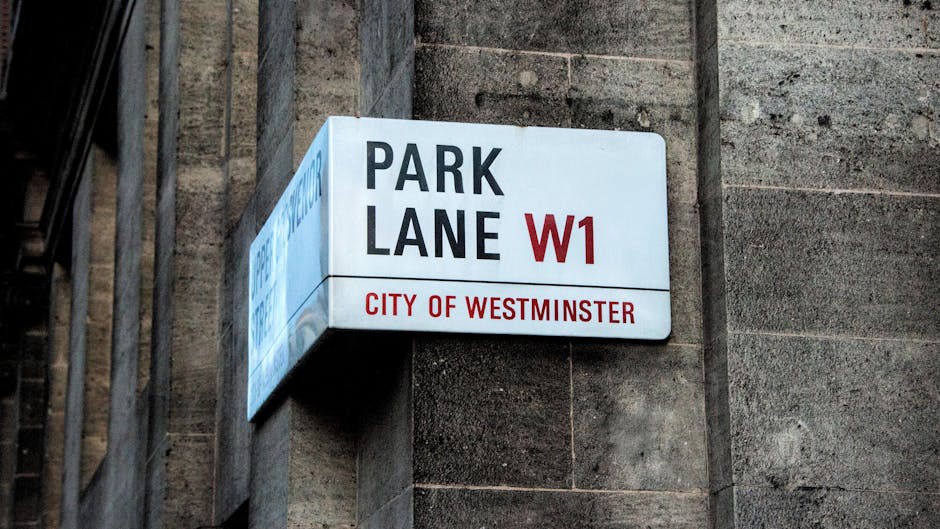
Westminster Council removal permits: do you need one?
If you are moving in or out of Westminster, the permit question can catch you out at the worst possible moment. Westminster Council removal permits: do you need one? In many cases, the answer depends less on the removal van itself and more on where it will stop, how long it will stay, and whether your building sits on a busy street, in a controlled parking zone, or near one of those frustratingly tight Westminster roads where every metre matters. Truth be told, a smooth move in central London is often won or lost on the parking plan.
This guide explains what a removal permit is, when you may need one, how the process usually works, and what to do if your move involves awkward access, shared entrances, or limited loading space. It also covers practical steps that help avoid fines, delays, and the kind of moving-day stress nobody needs. If you are planning a move around Pimlico or nearby Westminster streets, you may also find our services overview useful for understanding how a move can be organised end to end.
Expert summary: if your removal vehicle needs to park on-street in a restricted or controlled area, or if it will need to stay for loading and unloading, a permit or parking arrangement may be required. If the van can use private land, a forecourt, or an unrestricted bay, you may not need one. The details matter, and they matter fast.
Why Westminster Council removal permits: do you need one? Matters
Westminster is not the easiest place to move. Streets are busy, parking is often limited, and even a short stop can be disruptive if it blocks traffic or sits in a controlled bay without permission. So the permit issue is not a box-ticking exercise. It can affect whether your removal vehicle can legally stop at the property, whether the crew can load efficiently, and whether the move finishes on time.
For anyone moving into a flat in Pimlico, a townhouse near Victoria, or an apartment close to Westminster's busier roads, permit planning is part of the move itself. In our experience, the people who leave it until the day before tend to be the ones who end up making rushed calls from the pavement, half-watching the clock, half-watching a parking warden. Not ideal.
The central question is not just "Is there a permit?" but "What parking or loading restriction applies at this exact address, on this exact day, for this exact vehicle?" That is why a removal plan should begin with the street, not the sofa.
If you are moving from a flat with narrow stairs or a tight hallway, parking matters even more because the van may need to stay close to the entrance while items are carried out carefully. For those situations, it can help to look at our guide to narrow stairs in Pimlico removals for tight-access flats, because access problems and parking problems often show up together.
How Westminster Council removal permits: do you need one? Works
Removal permits are usually about permission to use a parking space, loading bay, or restricted kerb area for the purposes of moving home. The exact rules can vary by street, time of day, parking zone, and whether the area is managed by the council or privately controlled. You do not want to assume that a quick stop is fine just because the van will only be there for fifteen minutes. Sometimes fifteen minutes is enough to cause a problem.
Here is the practical version. If your removal van needs to stop on a public road where stopping is restricted, loading is controlled, or resident parking rules apply, you may need to arrange permission in advance. That may involve a parking bay suspension, a loading arrangement, or another local parking control measure. If the van can safely use off-street parking, private parking, or a legitimate unrestricted loading area, you may avoid the permit route altogether.
A good removal company will normally ask about:
- the full pickup and delivery postcodes or street addresses
- the size and type of vehicle
- the expected loading and unloading time
- any resident-only or restricted bays nearby
- steps, lifts, access routes, and distance from van to door
That last point is easy to overlook, but it is a big one. A van parked further away can mean longer carrying time, more risk of damage, and more time spent hauling wardrobes or white goods up and down the pavement. If you are moving furniture-heavy rooms, our furniture removals in Pimlico page gives a better sense of how those moves are handled carefully.
To be fair, no two Westminster moves feel quite the same. A ground-floor apartment with a private forecourt is one thing. A third-floor flat on a narrow street with evening traffic and limited turning space is another beast entirely. Same city, very different day.
Key Benefits and Practical Advantages
Getting the parking side right gives you more than just peace of mind. It can shape the whole move from the first box to the last lamp shade. The benefits are very practical, even if they do not feel glamorous.
- Less risk of delays: the vehicle can stop closer to the property, which speeds up loading and unloading.
- Fewer parking headaches: you avoid last-minute searches for legal stopping space on an already busy street.
- Lower risk of penalties: permits and suspensions help reduce the chance of parking tickets or enforcement action.
- Better handling of bulky items: sofas, beds, desks, and wardrobes are easier to manage when the van is close by.
- Less pressure on the crew: a well-planned stop gives removal teams more room to work safely and calmly.
There is also a subtle benefit people do not always mention: a planned move feels more professional. Boxes are stacked properly, the crew knows where to park, and you do not get that awful, scattered feeling of "Where is everyone supposed to stand?" That sounds small, but on moving day it is huge.
If timing matters because you are leaving a flat fast, you may want to review same-day removals in Pimlico. Short-notice moves are possible, but they need tighter coordination, not looser.
Who This Is For and When It Makes Sense
Not everyone moving in Westminster will need a removal permit, and that is fine. The right answer depends on your exact situation. Still, some people are much more likely to need one than others.
You should think carefully about permits if you are:
- moving from or to a street with resident parking controls
- using a larger van that needs a definite stopping place
- moving into a block where the road space outside is already heavily used
- living on a main route where stopping even briefly can be awkward
- moving heavy furniture, white goods, or multiple rooms of belongings
- working around school drop-off times, rush hour, or other busy periods
The permit question also matters if you are a tenant, because you may need to coordinate with a landlord, letting agent, concierge, or building manager. In some buildings, the access itself is straightforward, but the street outside is the problem. In others, the parking is manageable, but the hallway is a nightmare. The move always finds the weak spot, doesn't it?
Students, sharers, and first-time movers often underestimate this. If you are moving into a smaller flat with limited belongings, you may still need to plan parking properly. It is not only the big house move that creates issues. A single overstuffed van in the wrong bay can still become a problem.
Step-by-Step Guidance
If you want the simplest path through the permit question, use this order. It keeps the stress down and helps you avoid scrambling later.
- Check the exact address and street conditions. Do not rely on general area knowledge. Westminster streets can change quickly from unrestricted to highly controlled.
- Identify where the van will stop. Loading on private property is very different from stopping on a public road.
- Work out how long loading is likely to take. A two-room flat with lift access is not the same as a three-bedroom house with stairs and a narrow entrance.
- Confirm whether the property has a concierge, forecourt, or reserved loading space. That can sometimes remove the need for a permit altogether.
- Ask your removal company early. Good movers will spot parking issues before they become a problem.
- Build in a small buffer. Westminster moves are rarely improved by cutting it too fine. A little breathing room helps.
- Keep important contact details handy. If the crew needs to call you on the day, do not make them chase a number buried in an email chain from three days ago.
One small but useful habit: take photos of the parking area and the front of the building a day or two before the move. It gives you a visual reference and helps when you are explaining the location to a removal team. A picture really can save a phone call.
If you are packing in stages, our packing and boxes Pimlico page can help you think through the order of things, because a well-packed move also shortens time on the street. And that matters when parking is tight.
Expert Tips for Better Results
Here are the little details that tend to separate a smooth move from a mildly chaotic one.
- Choose the earliest workable slot. Streets are usually calmer earlier in the day, especially around central Westminster.
- Avoid assuming "just stopping briefly" is safe. It often is not, especially in controlled bays.
- Use the shortest practical carry route. Every extra step from van to door adds time and effort.
- Keep heavy items near the exit last. That makes loading more efficient and reduces blocking inside the property.
- Speak to neighbours if access will be tight. A bit of courtesy can prevent awkwardness in shared entrances or narrow streets.
- Plan for weather. Rain, slush, or a cold greasy pavement at 7 a.m. changes the pace of everything.
One practical tip that sounds almost too obvious: do not leave permit planning until the night before. People do it, sure, but it tends to produce that slightly panicked, caffeine-fuelled mood nobody enjoys. The move is easier when parking is sorted first, not as an afterthought.
If your move involves a piano or other particularly awkward item, parking becomes even more important because the crew may need extra space and more time. See piano removals in Pimlico for an example of how specialist handling and access planning go hand in hand.
Common Mistakes to Avoid
Most permit problems are avoidable. The frustrating part is that they are usually avoidable in pretty ordinary ways.
- Assuming the same rules apply across Westminster. They often do not.
- Forgetting to check the exact side of the street. One side can differ from the other.
- Underestimating loading time. What looks like a quick move can become slow once furniture, lifts, or stairs are involved.
- Ignoring building rules. The council parking rules are only one part of the picture.
- Leaving the van size decision too late. The wrong vehicle can complicate parking, turning, and access.
- Not telling the movers about restrictions. A crew cannot plan around what it does not know.
Another common issue is trying to solve a parking problem with "we'll just double park for a minute." In real life, that usually means stress, possible enforcement, and people asking you to move while you are carrying a mattress. Not fun.
If you are unsure whether your move fits better as a full home move or a smaller van-based job, the comparison on man and van Pimlico can help you judge what kind of service is likely to suit your access and parking needs.
Tools, Resources and Recommendations
You do not need fancy software to plan a Westminster move. You do need the right basic information in one place. That is what prevents the usual last-minute mess.
Useful things to have ready:
- the full moving addresses, including flat numbers
- a rough inventory of large items
- photos of the frontage, road width, and any parking signs
- building access notes, such as lift size or stair width
- preferred moving times and any building restrictions
- contact details for your landlord, concierge, or building manager if relevant
For many moves, the best "resource" is simply early coordination. That sounds unglamorous, but it works. A quick call, a few photos, and a clear plan can save an hour of wandering around outside a block wondering where the van should fit.
It can also help to check whether your move needs temporary storage if the timing between properties does not line up. For that kind of overlap, see storage in Pimlico. It is a useful fallback when keys are delayed or completion timings shift.
If you want a clearer picture of how a move is managed from start to finish, the broader removal services Pimlico page is a sensible place to compare options and plan the practical side without guessing.
Law, Compliance, Standards and Best Practice
When people ask about removal permits, they often really mean: "What do I need to do so I do not get fined or blocked?" That is the right attitude. Parking rules are part legal requirement, part local logistics, and part common sense. If the road has restrictions, you should treat them seriously and confirm the rules for the exact location rather than relying on memory, hearsay, or a vague assumption that "someone usually parks there."
Best practice in Westminster usually means:
- checking parking controls before the move
- planning for loading and unloading time realistically
- making sure the removal vehicle does not obstruct traffic or pedestrians
- coordinating with any building management where access is shared
- keeping the move safe for the crew, residents, and passers-by
There is also a health and safety angle. Safe lifting, sensible route planning, and enough space to manoeuvre items all reduce the chance of damage or injury. If you want to see how a moving business frames safety more broadly, our health and safety policy and insurance and safety pages explain the kind of standards that matter on moving day.
For customers, this comes down to reassurance: the job should be legal, organised, and practical. You should not have to cross your fingers and hope the van finds a space. That is not a plan, that is a gamble.
Options, Methods, and Comparison Table
There is more than one way to handle moving-day parking in Westminster. Which method works best depends on your property, your schedule, and the access outside the building.
| Option | Best for | Pros | Watch-outs |
|---|---|---|---|
| On-street stop with permit or suspension | Busy Westminster streets and controlled bays | Closest access to the door, efficient loading | Must be arranged carefully and in advance |
| Private driveway or forecourt | Properties with off-street space | Usually simpler and faster | May still need to manage neighbours or site rules |
| Unrestricted nearby road space | Quieter streets with legal stopping space | Can avoid formal permit steps | Availability may be unpredictable |
| Staged loading with a smaller vehicle | Tight access or difficult streets | More manoeuvrable, sometimes easier to park | May require extra trips or more time |
In practical terms, a smaller vehicle can sometimes be easier in Westminster than a bigger one, especially if the street is narrow or parking is restrictive. That said, the bigger van may be more efficient if you can legally stop close to the entrance. There is no universal winner here.
If you are comparing van-based move styles, our man with van Pimlico and man with a van Pimlico pages may help you think through what fits your access, volume, and timing.
Case Study or Real-World Example
Picture a fairly typical Westminster move: a one-bedroom flat in Pimlico, a second-floor walk-up, furniture that includes a bed frame, chest of drawers, and a dining table, plus boxes stacked in the hallway because the final packing always seems to happen right at the end. The street is busy enough in the morning that stopping randomly would be a poor idea.
In that situation, the move becomes far easier if parking is planned properly. The van can stop as close as possible, the team can work in shorter carrying runs, and the whole flat clears more quickly. If the van had to park several doors away, everything would slow down. The crew would be carrying items longer, the hallway would stay blocked longer, and the risk of knocks or scuffs would rise. Simple as that.
Now imagine the same flat, but with a lift out of service and a narrow stairwell. Suddenly the parking plan is even more important because the loading process is slower and the team needs the van positioned well. This is exactly the sort of move where Westminster Council removal permits, parking permissions, or alternative access arrangements may matter.
We see this especially on short-distance local moves too. A route that looks easy on a map can still be tricky at street level. For a good example of how local logistics shape the job, our article on short Pimlico moves shows why a few streets can still demand careful planning.
Practical Checklist
Use this checklist a few days before moving day. It is plain, but it works.
- Confirm the exact moving address and postcode
- Check the street for resident bays, loading restrictions, or permit-controlled areas
- Ask whether the van can use private or off-street access
- Estimate how long loading and unloading will actually take
- Tell your mover about stairs, lifts, and narrow entrances
- Arrange any building access details with the landlord or concierge
- Keep keys, phone numbers, and move-day instructions together
- Take photos of the access point and the parking area
- Prepare boxes so the heaviest ones are clearly marked
- Have a backup plan if parking is unexpectedly restricted
If you want your packing to run more smoothly, it helps to package your items and wait for us to come rather than leaving loose bits and pieces to deal with on the pavement. The less last-minute sorting you do outside, the better.
And if timing is tight, our page on delivery at the best time for you is a useful reminder that move-day scheduling can often be adjusted to suit access and traffic rather than the other way around.
Conclusion
So, do you need a Westminster Council removal permit? Sometimes yes, sometimes no. The real answer depends on where the van will stop, what restrictions apply on the street, how long loading will take, and whether your property offers easier private access. That is why this should be treated as part of the moving plan, not a separate admin chore.
The best moves in Westminster are usually the ones where parking, access, packing, and timing all line up. Nothing fancy, just careful planning and a bit of local know-how. Once those pieces are in place, the rest of the day becomes much more manageable. And honestly, that is what most people want: a move that feels controlled, not chaotic.
If you are planning a move in or around Pimlico and want help thinking through the practical side, the safest next step is to review your access early and speak to a mover who understands central London streets well.
Get a free quote today and see how much you can save.
Frequently Asked Questions
Do I always need a Westminster Council removal permit?
No. If the van can park legally on private land, in an unrestricted space, or in another legitimate loading area, you may not need one. The need depends on the exact location and restrictions outside the property.
How do I know if my street needs a permit for moving?
Check the parking signs on the street and assess whether the vehicle will need to stop in a controlled bay or restricted area. If you are unsure, ask your removal company to look at the access plan with you.
Can a removal van just stop for a few minutes without permission?
Sometimes people assume that short stops are automatically fine. In reality, that is often not the case in controlled Westminster streets. A brief stop can still breach parking rules if the space is restricted.
What happens if I do not arrange the right parking in advance?
You may face delays, longer carrying distances, parking fines, or a move that becomes more difficult than it should be. In the worst cases, the van may need to reposition several times, which wastes time and energy.
Are removal permits the same as resident parking permits?
No, they are not the same thing. A resident permit is for day-to-day parking by eligible residents, while a removal arrangement is usually about temporary access for moving purposes. The terminology can vary, so always check the precise requirement.
Do smaller vans need removal permits too?
Yes, if they need to park in a restricted or controlled space. Vehicle size can affect how easy parking is, but it does not automatically remove the need for permission.
How far in advance should I sort out parking for a Westminster move?
As early as you can. A few days is better than a few hours. In a busy part of London, the parking piece is worth settling before you start moving boxes around the living room.
What if my building has a concierge or loading area?
That can make the process much easier. You may not need a street permit if you can use private access, but building rules still need to be checked carefully.
Can a removal company help with the permit question?
Yes, a good removal team should help you think through access, vehicle size, timing, and parking restrictions. They may not control the council process, but they can absolutely help you avoid obvious mistakes.
Is a permit usually needed for very small local moves?
Not always. Short moves can sometimes be simpler, but if the street is controlled or the van has to stop on a restricted bay, the permit question still matters.
What other problems should I plan for besides parking?
Stairs, lift access, narrow hallways, long carry distances, traffic, and timing all affect the move. Parking is important, but it is only one part of the whole picture.
Where can I get help with a Westminster or Pimlico move?
You can start by reviewing the relevant moving and access information on this site, including removals Pimlico, then decide what level of support fits your move best. A careful plan saves more time than a rushed one, every time.